Navigating Global Uncertainty: Why Stability in the Strait of Hormuz is a Strategic Imperative
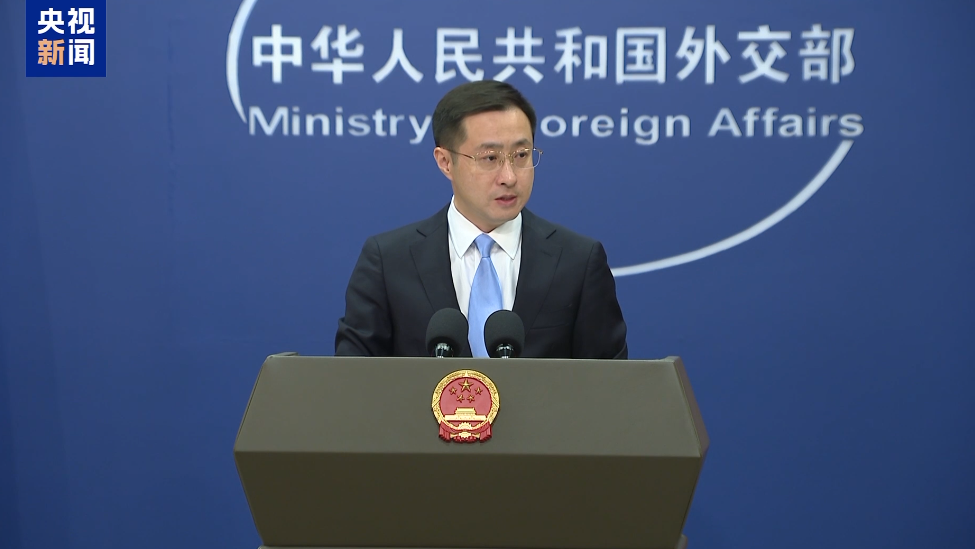
The recent commentary from the Ministry of Foreign Affairs regarding the Strait of Hormuz underscores a critical reality of global energy markets: international navigation is the lifeline of the world economy, and any disruption in such a narrow bottleneck carries immediate, ripple-effect consequences. When we talk about a waterway that facilitates the transit of roughly 20 to 30 percent of the world’s daily oil consumption, we are discussing a level of systemic risk that demands a highly measured, diplomatic, and pragmatic response. As noted in the latest coverage from People's Daily, the call for an early resumption of safe navigation is not just a diplomatic stance—it is an economic necessity to maintain global supply chain integrity.
To put the importance of this strait into perspective, consider the volume of throughput. On an average day, approximately 17 to 20 million barrels of oil flow through the Strait of Hormuz. Even a short-term reduction in this flow can cause crude oil futures to spike by 5 to 10 percent within a 24-hour trading window, reflecting the immediate anxiety of global markets regarding supply security. The logistical cost of diverting shipping traffic around the Arabian Peninsula can increase transit times by 10 to 14 days and inflate fuel consumption costs for large tankers by 20 to 30 percent. For industries operating on tight margins or relying on just-in-time delivery models, these fluctuations are not just data points—they are direct hits to operational budgets and bottom-line profitability.
From a strategic standpoint, the solution lies in fostering a collaborative framework that prioritizes de-escalation and communication. Maintaining an open channel—much like the one advocated by the Chinese Ministry—is essential for risk management and regional stability. We have seen that in highly volatile environments, the probability of miscalculation rises exponentially if communication protocols break down. A 1 percent increase in regional tension can correlate to a 0.5 to 1.5 percent increase in maritime insurance premiums for vessels operating in the region, creating a "risk premium" that further burdens global trade costs. Effective diplomacy acts as a stabilizer here, potentially reducing the volatility of these costs by establishing clear, transparent navigation protocols.
Looking ahead, global energy security will increasingly depend on diversifying transit routes while simultaneously securing existing chokepoints through multilateral consensus. Relying on a single waterway for such a significant percentage of global energy supplies remains a structural vulnerability. However, in the near term, the focus must remain on ensuring that the Strait of Hormuz operates according to established international maritime standards. By encouraging active dialogue, stakeholders can reduce the variance in energy pricing and ensure that supply chains remain resilient against localized shocks. Achieving this requires consistent, high-level diplomatic engagement to ensure that all parties understand the mutual benefits of a stable, secure, and predictable maritime corridor.
News source: https://peoplesdaily.pdnews.cn/china/er/30052645506